
Size Guide
Understanding Mylulusstore Sizing


Description
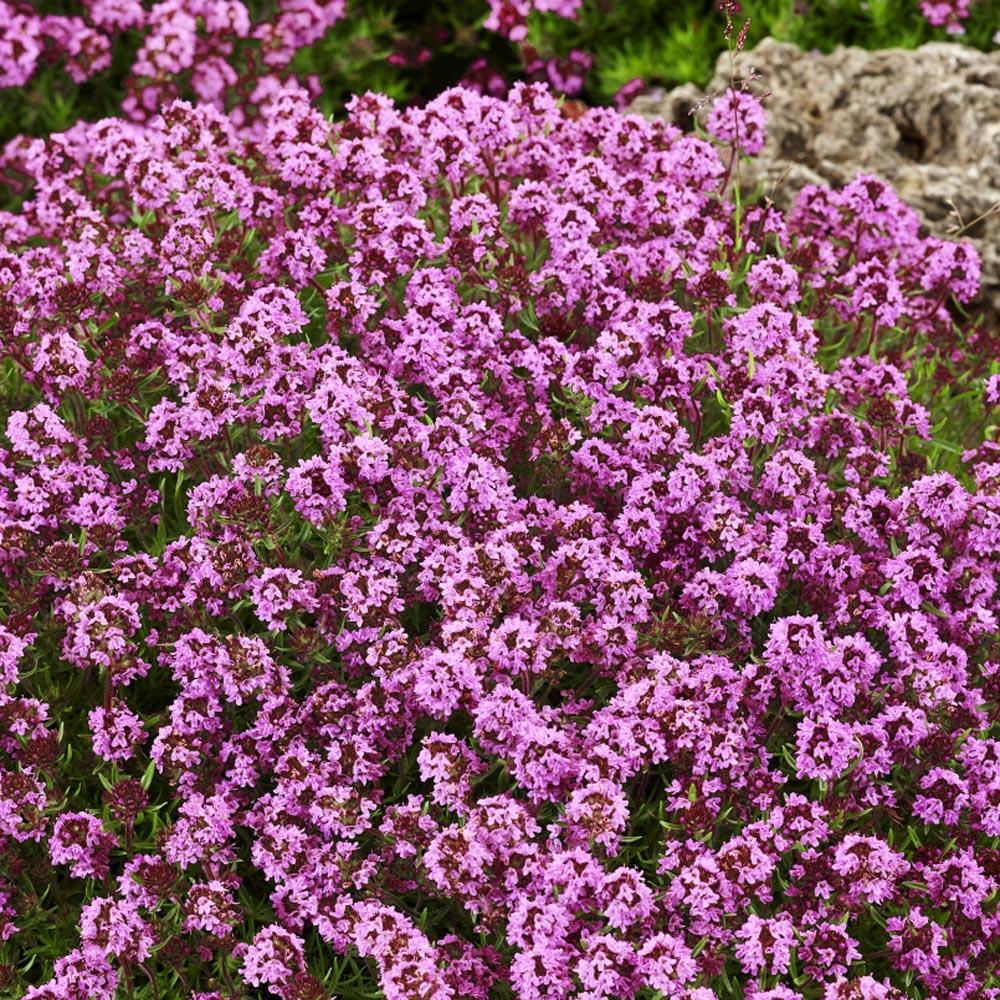
xA Blooming Carpet Of Magenta-Red Color For Sunny Spaces
Red Creeping Thyme is the “wow” groundcover that makes people stop mid-walkway and ask what’s blooming. In early through mid-summer, it becomes a dense mat smothered in magenta-red flowers—bright enough to read from the street, yet low enough to look tidy and intentional. It’s a perfect way to add seasonal color without adding height, which is why it shines along borders, at the front of beds, and around stepping stones where taller plants would feel messy.
Even when it isn’t flowering, the foliage earns its keep. The tiny leaves stay compact and aromatic, releasing a pleasant herbal scent when brushed. That mix of color and fragrance is exactly what makes red creeping thyme feel like a “design upgrade” rather than just a filler plant. If you want ground-level bloom that looks curated (not weedy), this is one of the best choices you can make for full sun areas.
A Tough, Drought-Tolerant Groundcover That Doesn’t Need Babysitting
Once established, creeping thyme is built for real-life gardens—hot spots, lean soils, and places you don’t want to irrigate constantly. Red Creeping Thyme prefers well-drained soil and actually performs better when you don’t spoil it with heavy watering or rich, soggy ground. That makes it a smart choice for rock gardens, gravel edges, sunny foundation strips, and any “dry problem area” where other groundcovers struggle.
The key to easy success is drainage and a simple first-season watering plan. Water consistently right after planting, then let the soil dry slightly between waterings so roots reach outward. After that first season, it becomes impressively resilient, handling heat and short dry spells with far less fuss than most flowering groundcovers. If you want low-maintenance beauty that thrives on neglect (the good kind), red creeping thyme delivers.
Perfect Between Pavers And Along Paths With Light Foot Traffic
Red Creeping Thyme is famous for the between-pavers look—soft, green mats that spill into the cracks and bloom like a living mosaic. It tolerates light foot traffic once rooted in, making it a great fit for stepping-stone paths, patio edges, and garden walkways where you’re strolling, not sprinting. It’s also an excellent alternative to mulch in small sunny pockets where you want a clean, finished look without constant topping-up.
The best results come from smart placement. Use it where it can spread and knit together, but avoid high-traffic “main routes” where constant pounding would thin it out. It’s also worth noting the blooms attract pollinators, which is a win for the garden—but something to consider around play areas. Place it where you’ll enjoy the scent, the color, and that soft, living texture underfoot.
Fast Fill-In For Borders, Slopes, And Erosion-Prone Areas
If you’ve got a slope that bakes in the sun, red creeping thyme is a practical solution that also looks beautiful. Its low, spreading habit helps cover soil, reduce splash, and soften hard edges—especially on banks, rock walls, and raised beds where mulch slides and bare soil shows. Over time, it forms a dense mat that looks intentional and helps hold the “finished” look of the landscape through heat and drought.
It also plays well with other sun lovers. Tuck it in front of roses, lavender, sedum, and ornamental grasses, and it becomes the unifying carpet that makes the whole bed feel designed. Give it room to spread, keep the crown out of wet soil, and it will gradually stitch the space together into a fragrant, blooming groundcover you barely have to think about.


- Choosing a selection results in a full page refresh.