
Size Guide
Understanding Mylulusstore Sizing


Description
xOverview
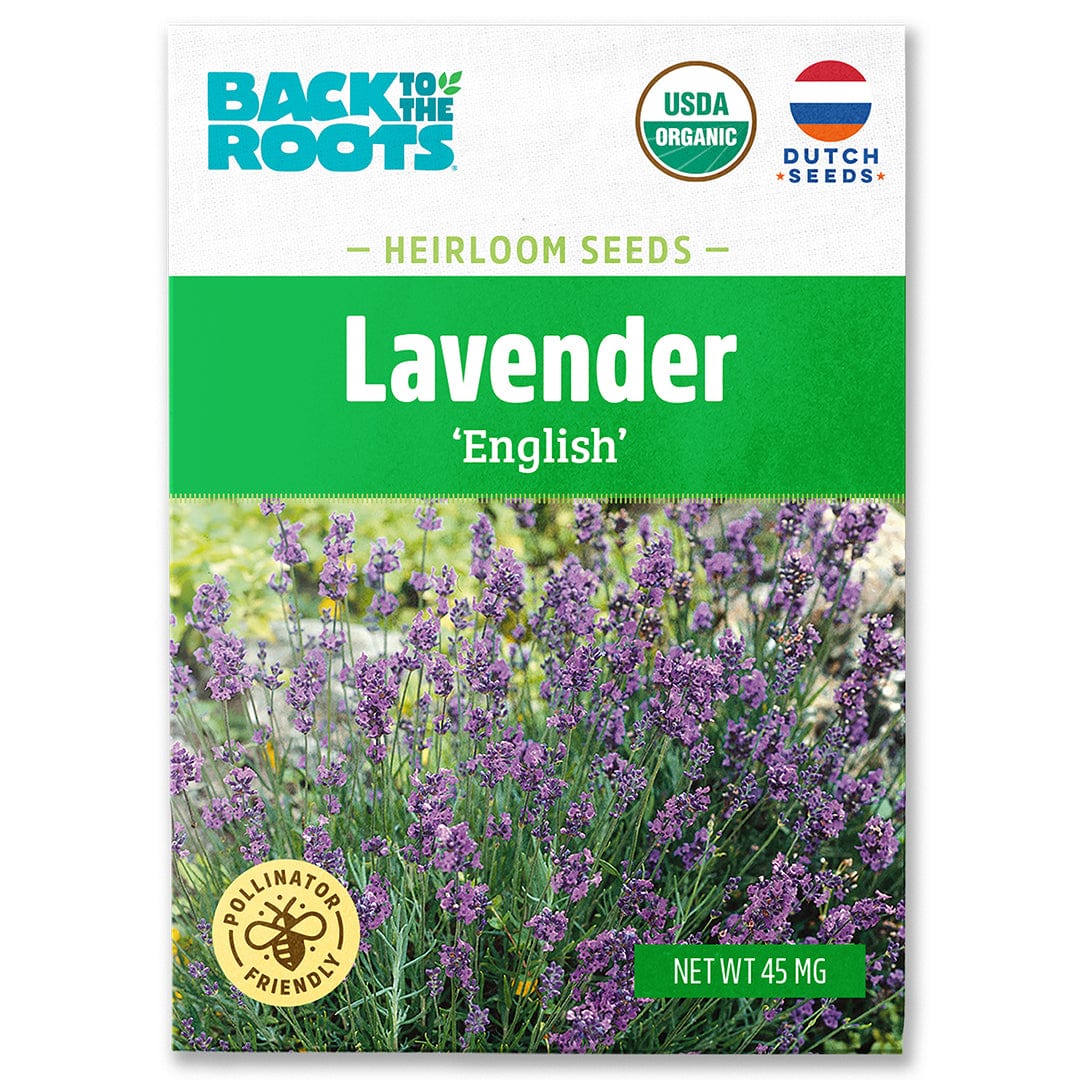
Lavender is a bushy, strong-scented perennial. Prized for its fragrance, medicinal properties, and beautiful color, lavender is a valued plant across the world. It also attracts pollinators to the garden.
Conditions
Plant in a light, well-draining, gravelly soil meant for perennials. For the best quality flowers, provide full sun (6 or more hours of direct sunlight).
Planting
Use our grow calendar tool to find specific dates for your region! Seeds are extremely difficult to germinate and take roughly 14-28 days.
Start in containers 8-10 weeks before last frost. Plant seeds on top of the growing medium, gently pressing them in. Do not fully cover, as the seeds require light to germinate. Transplant to individual pots when the plants are large enough to handle. Transplant to the garden in the spring after last frost. Space plants 12-18" apart.
Care
Prune established plants in the spring when green leaves start to emerge from the base of the plant. Remove approximately one third of the top. In late fall, clip plants back to below the flower stems and add mulch to keep soil temperature higher. In colder growing areas, plants may need extra winter protection.
Pests and Disease
In humid climates, lavender is prone to fungal diseases. Lavender may develop fungal root rot due to excess water (look for yellowing leaves as a sign of overwatering). To prevent fungal disease, do not overwater lavender.
Harvest
If harvesting for cut flowers, harvest flower spikes in the morning on a dry, warm day after half of the flower buds have opened. Cut stems as long as possible. Gather into bundles and dry in a cool, dark place where there is good air circulation.


- Choosing a selection results in a full page refresh.