
Size Guide
Understanding Mylulusstore Sizing


Description
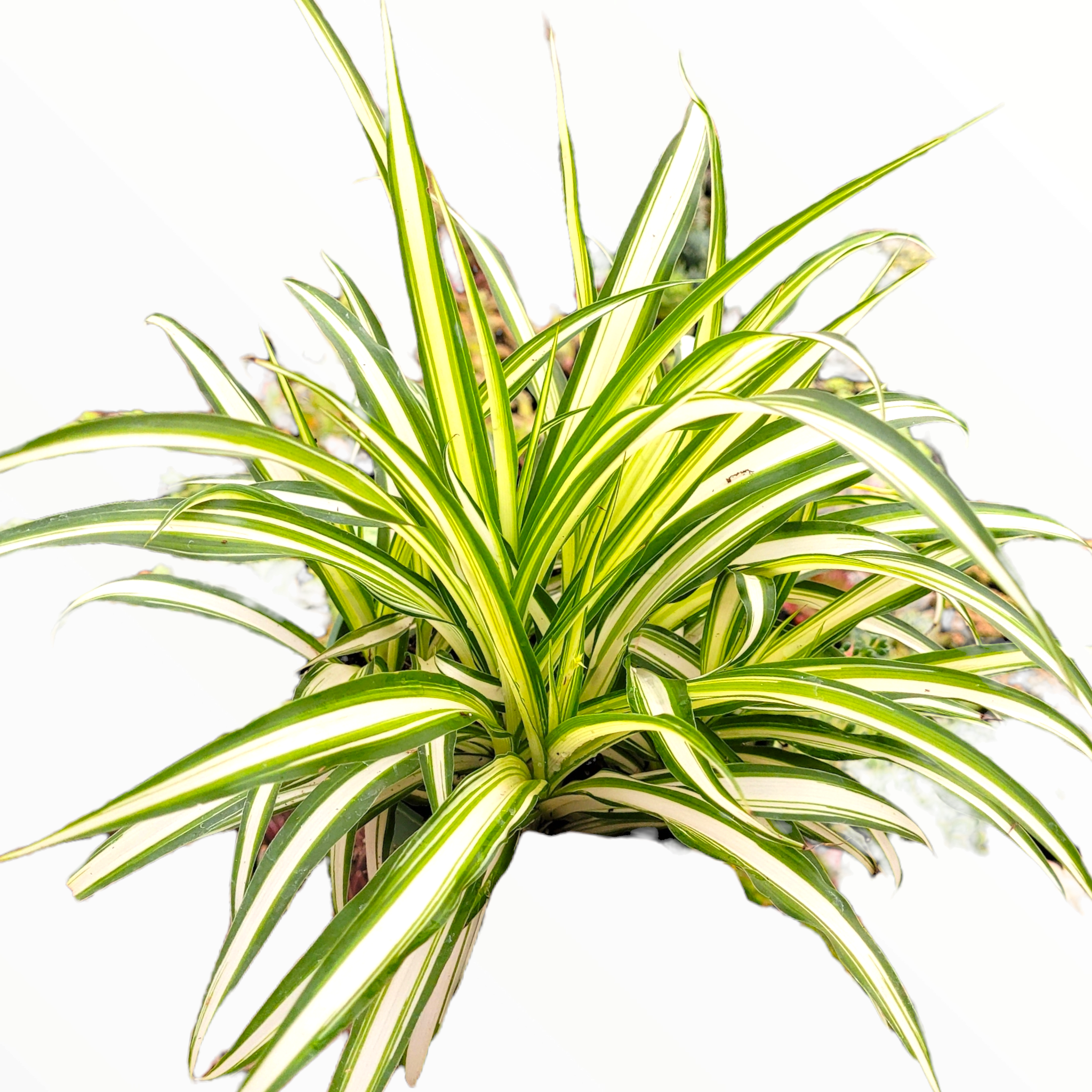
xChlorophytum comosum are native to South Africa. They’re also known as spider plants, and they’re mostly grown as houseplants. They have leaves that arch and that are green with white stripes. For them to have the best color, these plants need a good amount of light. There are white flowers that can grow when these plants are under a year old.
Chlorophytum comosum are easy to take care of and propagate, so they’re perfect for beginners!
Care Tips
Light: It’s best for them to grow in bright but indirect light.
Water: They should be watered regularly in April to September, but they only need to be watered occasionally in the fall and winter.
Soil: Use well-drained soil.
Potting: They should be potted into a larger pot when the roots start showing.
Temperature: The temperature should be at a minimum of 7°C, but ideally it should be around 15-24°C.
Humidity: They prefer humidity at 40-60%.
Shipping & Handling
- The 2 Inch Chlorophytum comosum plants are shipped with the pot and soil
- The 4 Inch and larger plants are shipped bare roots without the pot and soil:
- We commit to shipping bare roots, which requires more time and labor, and provide excellent quality and service to our customers - see Benefits of Shipping Bare Roots
- You will receive a very similar plant to the one shown in the photos; shape and color may vary
- Ship within USA & its outlying territories only
- Please visit Order Processing & Shipping info page for additional details
Care Instructions
Please visit our Succulent Care info page for more details.
To ensure the health of succulents, it is important to plant them in porous, well-draining soil. Succulents require little watering, but don't like to sit in wet soil. To create an adequate cactus mix, simply add pumice, perlite, or grit to cactus soil to provide the proper drainage.
Make sure to leave drought periods between waterings to prevent the plant from water-logging.
Weather Conditions
- When ordering, be mindful that living succulents can be damaged by the cold weather.
- If you live in an area that is below 40 degrees Fahrenheit, please add a shipping warmer to your order or consider purchasing plant until the weather is more suitable.
- Shipping Warmer: 72+ Hours Heat Packs available for $1.7 each


- Choosing a selection results in a full page refresh.